



BOOKS
What does democracy look like in Pacific Asia? Can democratic governance in the region survive the challenges of corruption, violence, and soft authoritarianism? What impact are economic More >
Democracy is in crisis. After the hope engendered by the Third Wave, democracies around the world are beleaguered with threats from multiple sources. What are these threats? Where did they More >
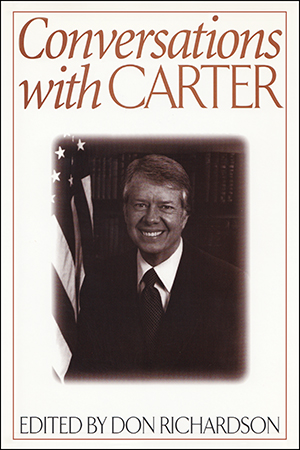
Jimmy Carter participated in more than two hundred interviews between 1976 and 1996. In the twenty-three conversations presented here, highly regarded interviewers lead President Carter to More >
This wide-ranging critique of current endeavors to construct a world order based on neoliberal ideology comes not from a standpoint opposed to liberalism, but from within liberalism More >
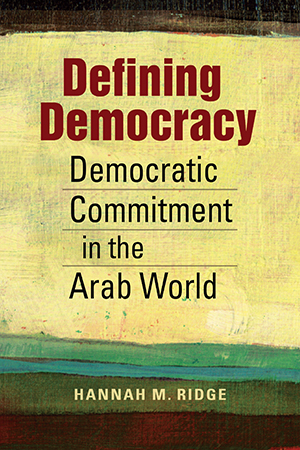
The Middle East and North Africa comprise by all measures one of the least democratic regions in the world. At the same time, decades of research show robust support for democracy among MENA More >
Heather Ridolfo and Brian Ward explore the experiences of people with impaired mobility, enhancing our understanding of why some embrace a disabled identity, why others reject it, and the More >
Choice Outstanding Academic Book! What is the core purpose of counterintelligence? What does it involve? To answer these questions, Kevin Riehle explains in detail how counterintelligence More >

Carme Riera, hailed as a dominant literary force in Spain, has long merited recognition in other countries. Her prose, with all its intricacy, humor, and grace, has been skillfully More >
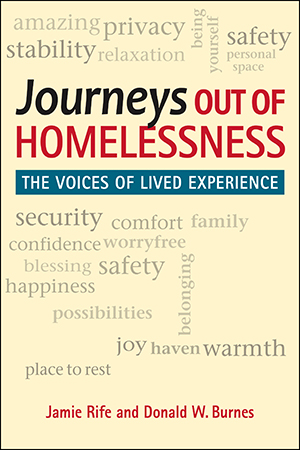
How do individuals move from being homeless to finding safe, stable, and secure places to live? Can we recreate the conditions that helped them most? What policies are needed to support what More >
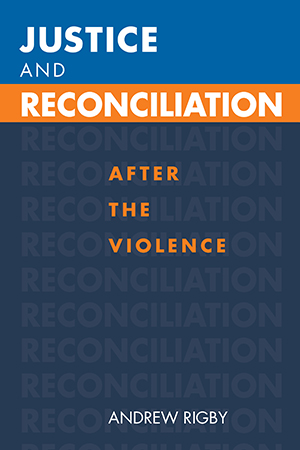
How do societies that have been wracked by violent conflict reconcile themselves to their recent history—and lay the foundations for a peaceful, stable future? How do they deal with More >



